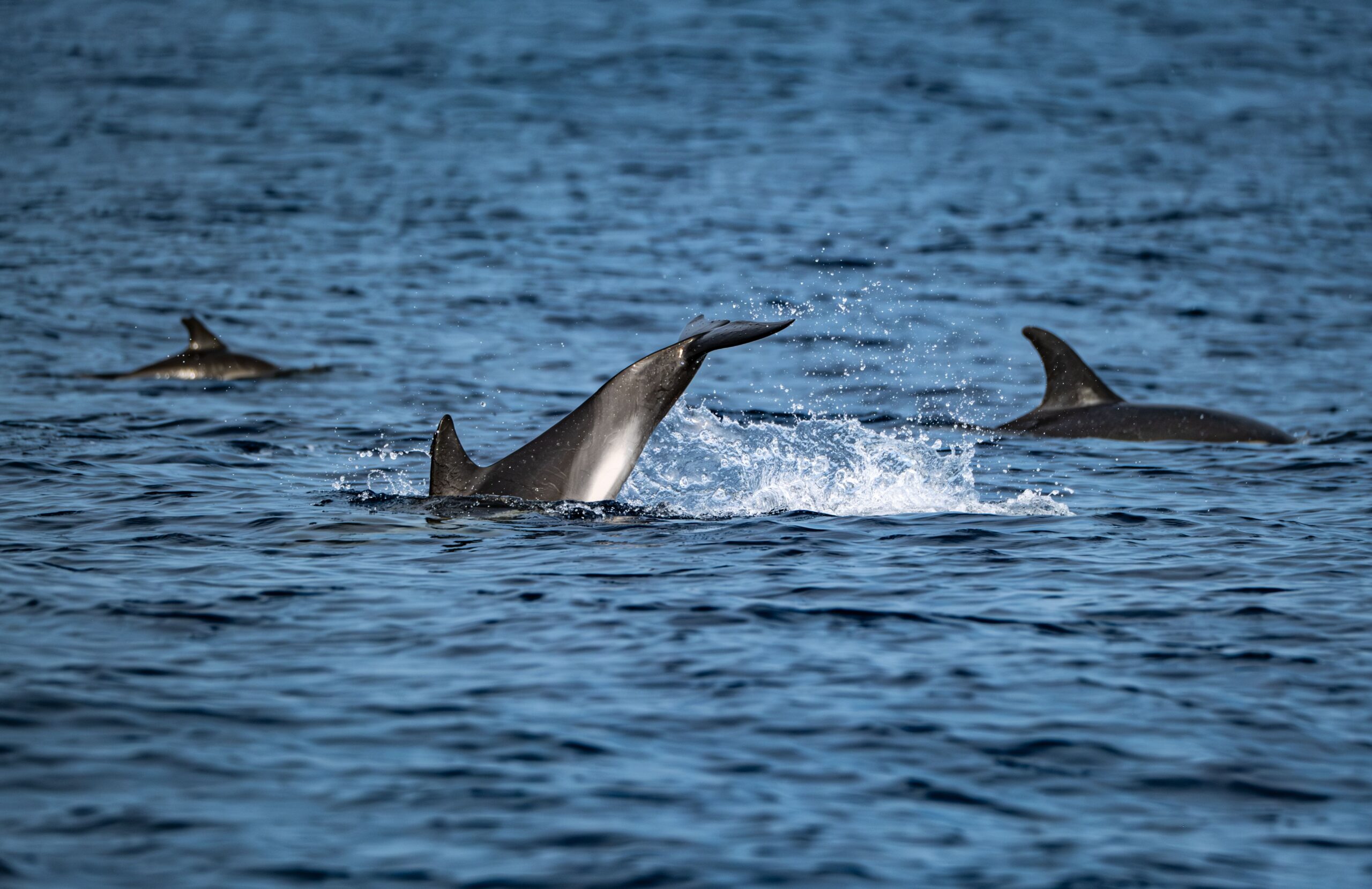
Looking for a unique way to spend an afternoon in the Wildwoods? Book a tour for dolphin or whale watching!
Use this guide to learn more about what types of marine mammals to find in the area, the best times to spot them, and tips to consider before you head out on a tour.
Why Do Dolphins and Whales Come to the Area
The dolphins you might see during a trip to the Wildwoods are Atlantic bottlenose dolphins. In the winter, they venture as far south as North Carolina and return in the spring as the water warms. South Jersey is a destination for dolphins to come and feed, mate, and raise calves. Federal reviews recognize these waters as a critical calving and nursery area.
Whales, on the other hand, treat the coast differently. For humpbacks, fin whales, and minke whales, the Jersey Shore is a pit stop between southern breeding grounds and northern feeding grounds, and they feed on schooling fish like menhaden as they pass.
Seasonal Dolphin and Whale Activity
Spring
Dolphins: Early arrivals begin appearing as waters warm in March and April. Calving season starts during the northern migration.
Whales: Season opens in March. Humpbacks begin passing through on their way north to summer feeding grounds. Spring migration picks up, and fin whales and the occasional minke whale may also be seen.
Summer
Dolphins: Dolphins return in force in May. Daily sightings become the norm close to shore. Peak season runs from June-August, and mother-calf pair sightings are common. Pods feed, socialize, and raise calves within a few miles of the beach.
Whales: Tour boats begin full daily schedules as migration continues. Sightings are possible on most extended trips.
Fall
Dolphins: Pods begin drifting south late in September. Sightings taper in October as most dolphins head toward the Carolinas.
Whales: September is one of the best months for sightings. Southbound migration begins, and feeding activity stays high. October is a great month for southbound humpback whale sightings.
Winter
Dolphins: Sightings become rare as the weather gets cold from November to February. A few groups may linger when prey holds out.
Whales: Migration continues. Weekend trips still turn up sightings in early November, but the season winds down again until the spring.
Best Times To See Dolphins and Whales
Peak Months
Dolphins: During the summer season, June through August, with strong sightings May through September.
Whales: May through October, with spring and fall migration windows often the most active.
Time of Day
Dolphins: Early morning and evening align with feeding activity. Mornings usually bring calmer water.
Whales: Any time of day, since whales surface to breathe around the clock.
Conditions
Dolphins: Flat water makes dorsal fins easy to spot closer to shore.
Whales: Calm water helps you pick out a spout on the horizon, sometimes several miles away.
Tour Length
Dolphins: 50 to 90 minutes is sufficient. Pods stay within a few miles of the beach.
Whales: Plan on 2 to 4 hours. Boats may travel up to 25 miles offshore.
Reliability
Dolphins: Near-daily sightings in season. Many operators back trips with sighting guarantees.
Whales: Can be hit or miss on any single trip.
Best Dolphin and Whale Watching Tours in The Wildwoods
The best way to see dolphins and whales on your trip to the Wildwoods is on a Thunder Cat Dolphin Watch tour! Cruise along the beaches of the Wildwoods and Cape May, experiencing sea life like you never have before. The Thunder Cat is a truly one-of-a-kind, specially designed boat, and with 99% successful dolphin sightings every year, guests often refer to her as the “dolphin magnet.”
Other dolphin and whale watching tours in the area include:
Tips For Seeing Dolphins and Whales
Want to make sure you see dolphins and whales on your trip? Follow these quick tips:
- Scan for dorsal fins breaking the surface of the water close to shore for dolphins. For whales, watch the horizon for the blow, a puff of mist that hangs in the air for a moment.
- Diving and wheeling birds often mark bait fish below, and dolphins and whales feed in the same spot where the birds do.
- Beach viewing works for dolphins, especially early morning with binoculars. Whales, however, almost always require a boat. Book your tour accordingly.
- Secure phones and cameras with a wrist strap, especially on speedboat trips. Many shops along the Boardwalk sell sleeves and straps to help you secure your phone while out on the water.
- Keep a safe distance and be respectful. Feeding, touching, or harassing marine mammals is illegal under the federal Marine Mammal Protection Act. Vessels must remain at least 100 yards away from dolphins and whales.